October 1, 2026
Complex painting projects require far more than basic brushes, rollers, and off-the-shelf cans of latex paint. High-end residential estates, historic properties, structural steel facilities, and intricate interior renovations involve difficult substrate challenges, demanding environmental conditions, and advanced technical finishes that general handymen or standard residential painters cannot execute properly. Choosing an experienced specialist guarantees that surface preparation, material selection, application methods, and safety standards align perfectly with high engineering tolerances. When property owners attempt to navigate intricate surface repairs or specialty coating installations without specialized technical guidance, premature coating failures, blistering, and costly structural damage frequently result. Partnering with a dedicated professional protects your underlying building investment while providing flawless visual results that endure for years. Detailed initial property consultations allow trade specialists to identify subtle moisture problems before paint application begins. Conducting early moisture testing prevents applying topcoats over wet substrates that cause severe bubbling later.
Assessing Complex Substrates and Advanced Material Chemistry
Standard residential painting often involves simple drywall and basic wood trim, but complex projects frequently incorporate diverse, non-porous, or heavily degraded architectural substrates. Specialized coatings specialists bring deep knowledge of chemical bonding, tensile film strength, moisture transmission rates, and specialized primer technologies. Whether treating weathered cedar siding, historic masonry, extruded aluminum framing, or industrial steel beams, selecting the correct chemical primer prevents immediate adhesion loss and blistering. Hiring an experienced painting contractor ensures every distinct substrate receives meticulous surface preparation and chemical matching before topcoats are applied. Matching primer formulations to specific substrate porosity prevents uneven sheen variations across finished walls. Understanding how relative humidity, surface alkalinity, and thermal expansion affect chemical adhesion is the foundation of every successful long-term coating installation.
Managing Technical Surface Preparation and Structural Repair Needs
The durability of any decorative or protective coating depends heavily on the thoroughness of preliminary surface preparation. Simple pressure washing and light hand sanding are insufficient when managing peeling historic lead paints, deep masonry efflorescence, rust scale on ironwork, or water-damaged substrate fibers. Complex jobs often demand specialized media blasting, chemical stripping, structural wood consolidation, high-pressure washing, and diamond grinding to establish an optimal bonding profile. Thorough surface profiling creates microscopic anchor channels that allow specialized topcoats to fuse securely with structural materials. Partnering with a skilled painting contractor guarantees that surface contaminants, failing existing coatings, and hidden dry rot are completely eradicated before fresh paints touch the building. Skimping on preparation inevitably leads to inter-coat peeling, moisture entrapment, and premature substrate deterioration within months of application.
Navigating Intricate High-Reach Equipment and Jobsite Safety Protocols
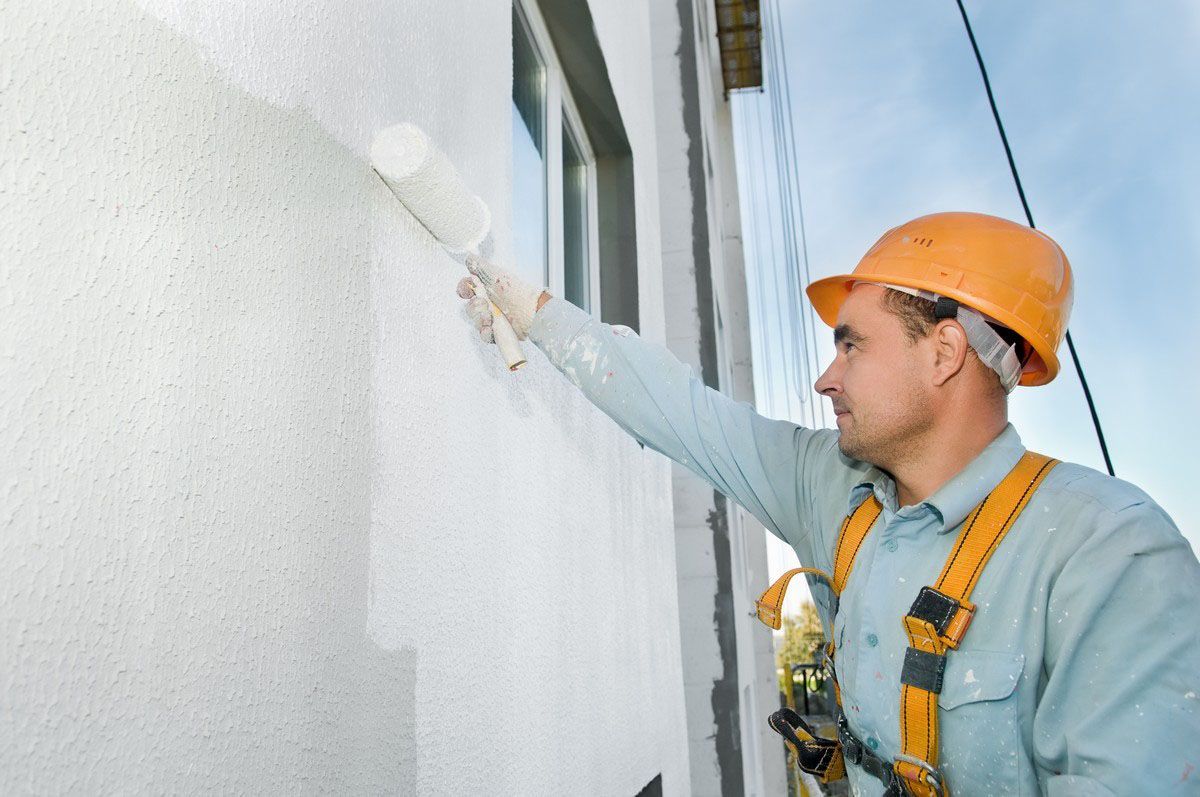
Executing large-scale exterior coatings or soaring interior atrium renovations requires advanced rigging, specialized staging, and strict adherence to occupational safety standards. Working around multi-story rooflines, delicate ornamental moldings, or active commercial operations demands heavy equipment like articulated boom lifts, modular interior scaffolding systems, and fall-arrest harnesses. A fully licensed painting contractor maintains comprehensive liability insurance, specialized workers' compensation coverage, and strict site safety management protocols that protect both property owners and site workers from catastrophic accidents. Certified rigging technicians assemble multi-stage scaffolding to reach soaring architectural elements safely. Utilizing certified equipment operators minimizes risk while ensuring that every hard-to-reach archway, high gable, and structural ceiling beam receives uniform paint coverage without damaging surrounding property features.
Aligning Project Schedules With Optimal Seasonal Weather Windows
Exterior painting performance relies heavily on precise environmental conditions during both application and the initial curing phase. Ambient temperature, direct sunlight exposure, wind velocity, surface temperature, and atmospheric humidity dramatically influence paint film formation, drying rates, and color uniformity. Homeowners and property managers often plan major exterior updates well in advance to capture ideal weather windows before seasonal rains or extreme summer heat sets in. According to Workyard, 78% of homeowners who plan exterior painting projects look to launch them during the first six months of the year. Securing early spring calendar slots prevents long project delays during peak summer demand periods. Consulting a knowledgeable painting contractor ensures your exterior project schedule accounts for local weather patterns, allowing specialized coating systems to cure fully within recommended temperature and humidity parameters.
Bringing Master Craftsmen and Specialized Decorative Coating Techniques
Custom architectural projects frequently demand specialized artisan finishes that extend beyond simple monochromatic wall painting. High-end interiors may feature faux finishes, Venetian plaster, metallic glazing, electrostatic metal refinishing, or hand-painted cabinet restoration that require decades of refined trade experience. Attempting these intricate techniques without professional trade training leads to visible lap marks, uneven color density, and unappealing surface textures. Entrusting your vision to a reputable painting contractor provides access to master craftspeople who possess the fine motor skills, specialized spray equipment, and eye for detail necessary to achieve flawless luxury finishes. Their refined execution transforms ordinary walls and trim into striking architectural focal points.
Utilizing High-Volume Low-Pressure and Electrostatic Spray Systems
Achieving perfectly smooth, factory-grade finishes on intricate architectural elements requires specialized spray equipment and precise fluid dynamics control. Traditional brush and roller applications leave visible stipple, lap marks, and uneven film thickness on detailed metal railings, elevator doors, and custom cabinetry. Specialist teams employ high-volume low-pressure sprayers and electrostatic coating systems that impart a positive electrical charge to liquid paint particles, forcing them to wrap evenly around grounded metal substrates. Utilizing a qualified painting contractor equips your project with advanced spray technology that delivers uniform mil-thickness, zero overspray drift, and smooth finishes on complex metallic and wooden architectural features. Fine-tuning spray tip sizes guarantees even liquid atomization across custom architectural trim.
Applying Specialized Industrial Elastomerics and Protective Coatings
Certain complex architectural environments require high-performance elastomeric coatings, moisture barriers, or epoxy floor systems rather than standard decorative paints. Concrete structures, exterior masonry walls, and below-grade foundations demand thick, flexible elastomeric membranes capable of bridging hairline cracks and preventing wind-driven rain penetration. Selecting and applying these specialized elastomeric coatings requires precise mil-thickness gauges, specialized airless spray units, and strict flash-off time monitoring. Relying on an authorized painting contractor ensures that heavy-duty waterproofing membranes are applied according to strict manufacturer specifications, protecting the structural integrity of concrete and masonry surfaces against severe weather exposure.
Delivering Long-Term Value Through Warranties and Craftsmanship
While hiring a specialized trade professional represents a higher initial investment than hiring general labor, the long-term cost benefits are significant. Expert surface preparation, industrial-grade materials, and precise application techniques extend coating lifespans by years, eliminating the costly cycle of frequent repainting. Furthermore, established trade specialists back their workmanship with comprehensive labor and material warranties that general laborers cannot match. Comprehensive written warranties give commercial and residential property managers complete financial security. Investing in commercial-grade paint formulations reduces routine building maintenance costs significantly over time. Choosing a verified painting contractor gives property owners complete confidence, knowing that their investment is fully protected against material defects, bubbling, and premature peeling through written guarantee agreements.
Complex architectural painting requires a sophisticated blend of material science expertise, advanced trade equipment, stringent safety compliance, and artistic precision. By evaluating your property's unique substrate challenges and hiring a dedicated specialist, you ensure that every surface receives the exact preparation and coating formulation it requires. Investing in expert craftsmanship converts challenging architectural renovations into seamless, long-lasting successes, delivering beautiful curb appeal and structural protection that stands the test of time. Contact Pichler Painting Inc today to schedule a consultation with our specialized team and bring lasting, professional precision to your next complex project.